Frequently Asked Questions
What are the four pillars of a healthy lifestyle?
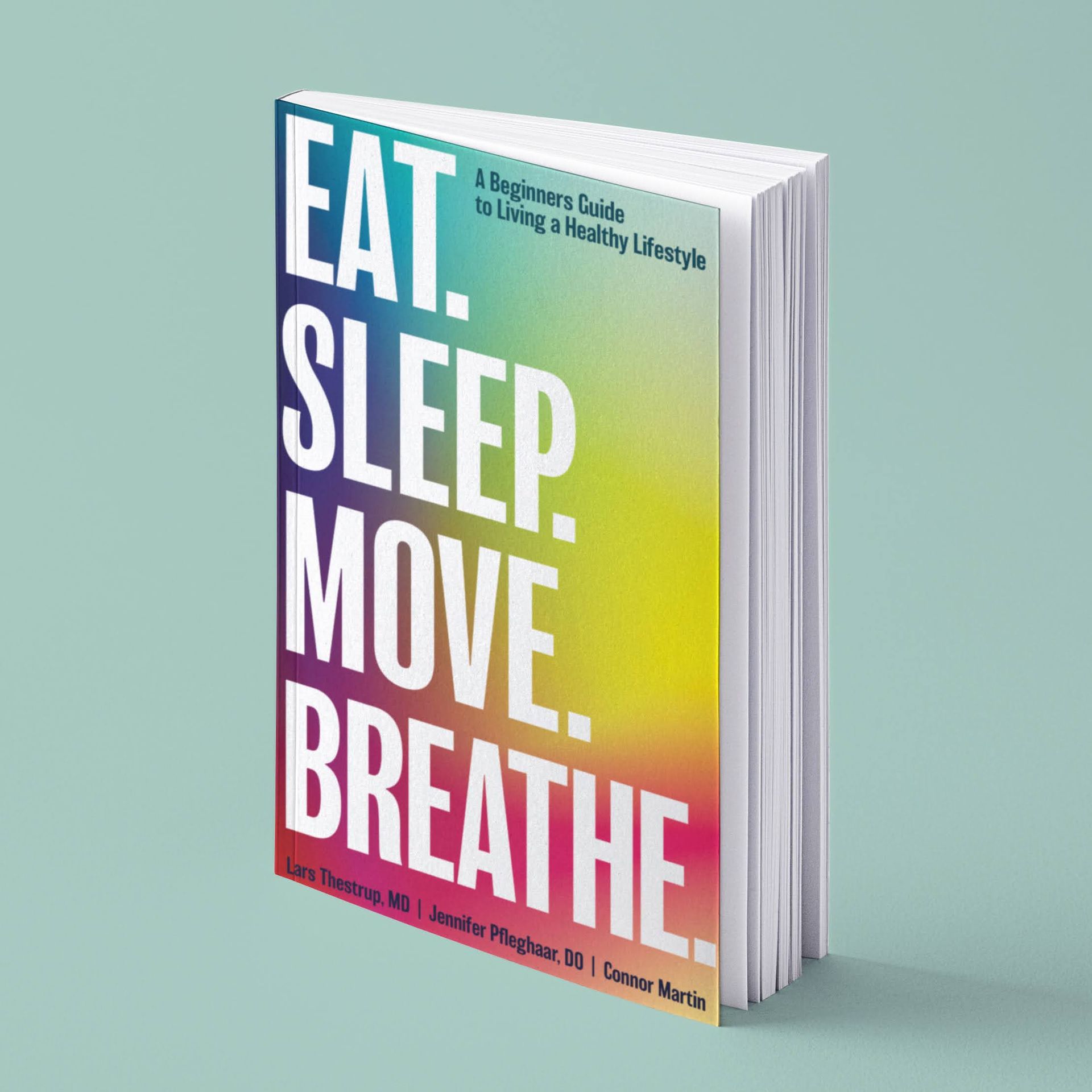
The book identifies Eating, Sleeping, Moving, and Breathing
as the essential pillars. Unlike complex wellness programs, this framework suggests that by making small, intentional improvements in these four foundational areas, you can significantly reduce the risk of chronic disease and improve daily energy levels without feeling overwhelmed.
How can I start living healthier if I’m feeling overwhelmed?
The authors, including Dr. Lars Thestrup
and Dr. Jennifer Pfleghaar, recommend a "human-first" approach: start with one pillar at a time. The book is designed in brief, jargon-free sections specifically for people who find traditional health books too cumbersome. By focusing on anecdotal stories and practical steps, you can build momentum rather than burning out.
Why is "breathing" considered a pillar of physical health?
Breathing is the bridge between the mind and the body. The authors explain how calming the mind through intentional breathwork regulates the nervous system, lowers cortisol (the stress hormone), and improves recovery. It is the most accessible tool we have for immediate health optimization.
Can a beginner really get fit without technical jargon?
Yes. Connor Martin, a veteran functional fitness coach, breaks down movement into accessible concepts. The book replaces intimidating fitness "slang" with functional advice, proving that you don’t need to be an athlete to benefit from the strength and conditioning principles used by professionals.
How does integrative medicine differ from traditional emergency care?
As ER physicians, the authors have seen the "end-stage" of preventable illnesses. They use their Integrative Medicine
training from the University of Arizona
to shift the focus from merely treating symptoms to preventing them. This book applies that high-level medical expertise to everyday habits.
What makes "Eat. Sleep. Move. Breathe." different from other wellness books?
Most health books are written by theorists; this one is written by practitioners. It combines the clinical expertise of two MD/DOs with the practical experience of a world-class fitness coach. It’s designed to be read in short bursts, making it a "manual for real life" rather than a dense medical text.