The existence of an important book does not necessarily end as soon as a reader turns the last page.
Giving someone a book is particularly meaningful. You may think of it as inconvenient as sending a message or sending a link. You have selected something and kept it in your hands for the sake of a person who will benefit from it.
Moreover, sometimes you have definite motives.
For example, your friend has to cope with difficulties in life.
A boy or a girl is looking for their life goal.
A co-worker starts a new phase of their life.
A mother or a father is eager to help their children.
Someone asks a question you cannot answer, but you know a book that can be of great help.
In other cases, you may give a book to someone without the explanation of motives.
Such things associate books with something unique among other types of information.
Every book goes on its journey.
It can be passed down to heirs.
It can be found again after a long time.
It can even give something new long after its buyer has finished reading it.
Some Books Are Bigger Than Their First Reader
Authors naturally think about their immediate audience.
Who will buy this book?
Who needs this message?
Who is likely to read it?
Those are important questions.
But there is another question worth asking:
Who might receive this book after the first reader is finished with it?
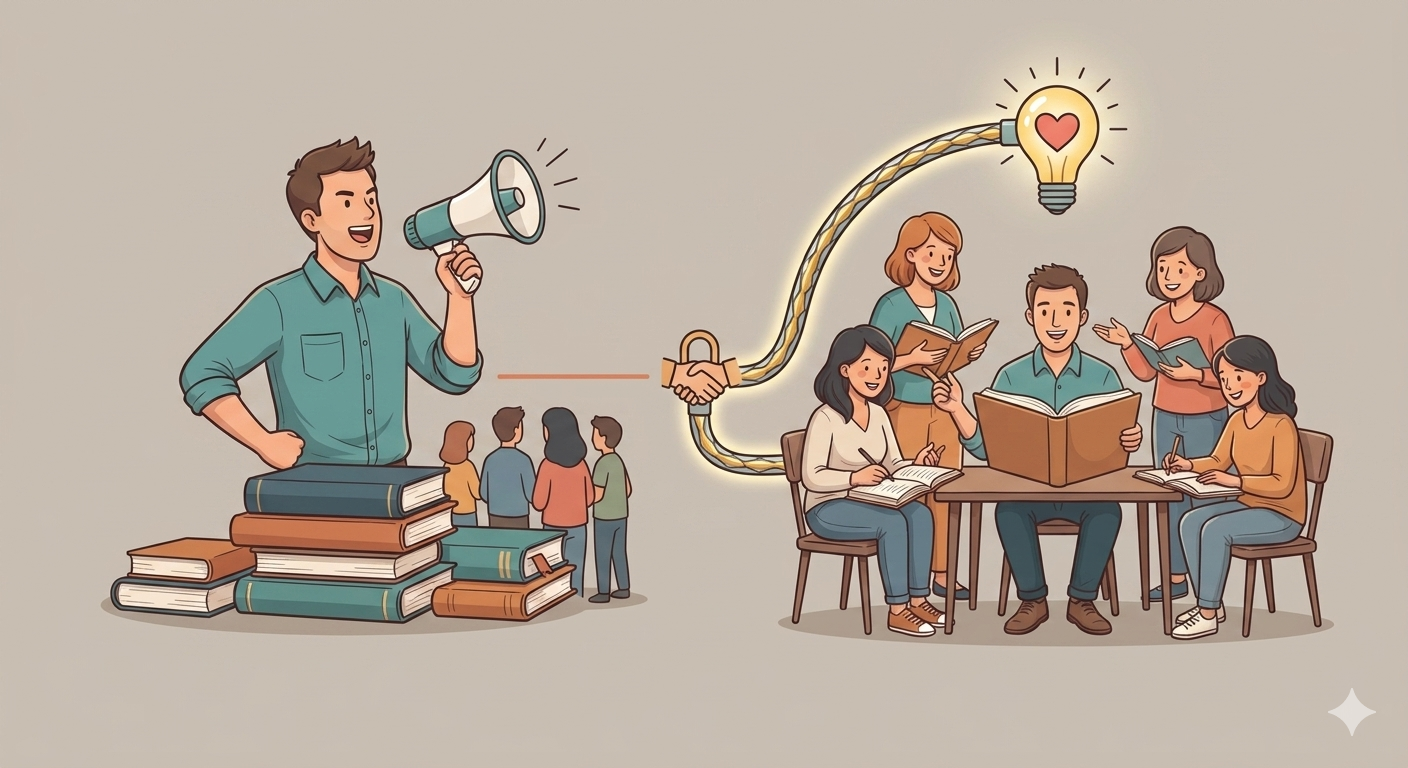
A parent may buy a book and later give it to a son or daughter.
A church member may recommend it to a friend.
A teacher may place it on a classroom shelf.
A mentor may give it to someone they believe needs encouragement.
A reader may keep it for twenty years and eventually pass it to someone else.
This is one of the quiet strengths of books.
Their reach is not always linear.
A single copy can become several conversations.
Why Physical Books Still Carry Meaning
Today, we inhabit an era in which sharing is almost instantaneous.
Multimedia items can be transmitted in no time.
The life of a video is almost eternal.
A post can soon vanish from a friend's news feed.
Books emerge quite differently.
They compel us to pause.
There is a particular delight in picking up the book recommended by a friend.
Sometimes, it is the book itself that creates a memory.
There might be a note written on the first page.
There might be a name of a person, who has gifted you a book.
A date.
A few words from the one who had cared enough to give you something meaningful.
Years later, these words are still relevant.
It is something worth remembering in times of overwhelming disposability.
Christian Books Have an Especially Powerful Opportunity
Christian publishers and writers see that the book has a special meaning.
Christian books can be a means of inspiration.
They can enter a place where a talk should start.
They can reach people looking for answers to their questions concerning religion.
They can help believers cope with some difficulties.
They can also help parents speak with their kids.
And they can remind people about the Bible verse during periods when they need peace of mind.
The Bible teaches us to pass our knowledge from generation to generation.
For example, in Psalm 78:4, it is said: “We will not hide them from their children, telling the next generation the praiseworthy deeds of the Lord.”
Christian books can join the tendency of remembering things.
Books cannot substitute for learning in practice and communication with people.
Books can help in this process.
They can preserve information that is important for people.
Books can help people express their ideas.
Authors Should Think About the Life of the Book
Perhaps authors should ask a slightly different question when they finish a manuscript.
Not simply:
“Will people buy this book?”
But:
“What might this book become in someone's life?”
Will a reader underline it?
Will they recommend it?
Will they give it to someone?
Will they return to it years later?
Will a parent read it with a child?
Will a church leader use an idea from it to begin a discussion?
Will someone keep it because of one paragraph that arrived at exactly the right moment?
Authors cannot control all of these things.
But they can create books worthy of them.
That requires taking the reader seriously.
It means writing with care rather than filling pages simply to meet a word count.
It means respecting the reader's time.
It means being honest about what the book can offer.
And it means remembering that a book is not merely a product.
It is an experience someone is choosing to spend time with.
The Gift Is Bigger Than the Sale
Business is a part of publishing.
The making and selling of books involves production, distribution, and marketing processes. The authors expect to make profit out of this activity, while publishers must create certain economic strategies that will help them keep helping not only writers, but also readers.
There is nothing wrong about it.
Nevertheless, part of the value of a book may be lost during any part of the commercial process.
A book could fail to sell while still having an impact on someone’s life.
Conversely, a book could reach high sales rates with no impact whatsoever.
Sales figures are important, but not entirely revealing.
In some cases, the best reader is the one whom the author will never meet.
The one who reads the book late at night.
The one who shares it with a friend.
The one who finds encouragement in just a chapter.
The one who keeps his/her copy for years without using it.
What Kind of Book Are You Creating?
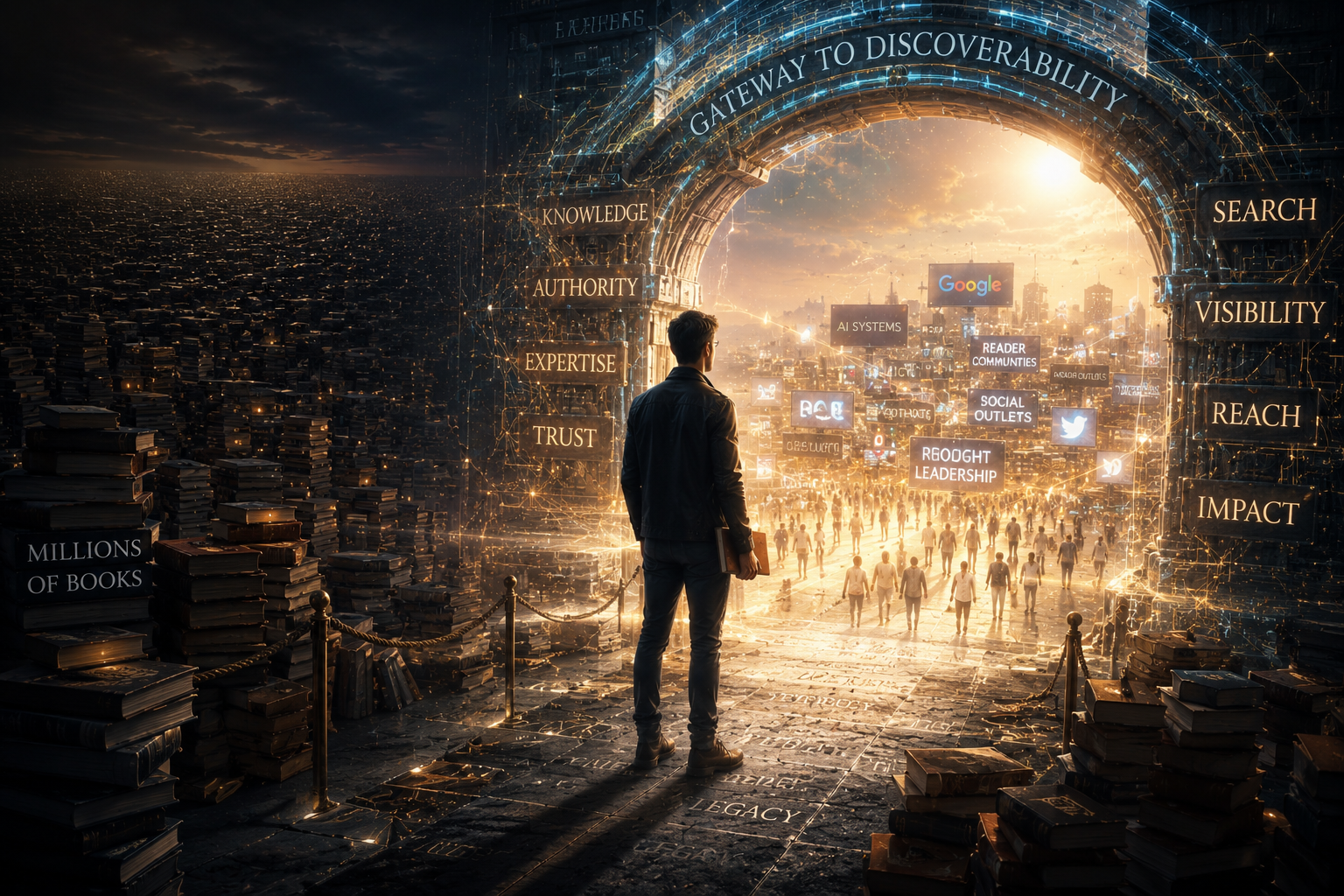
Every author dreams that their book will be read by an audience. Thus, the main hope of the writer should be to find the right audience.
The audience that really needs the book.
The audience that will share its experience with the book.
The audience that will take something out of it to apply in real life.
And maybe one day one of those readers will pass the book to someone else.
There starts a life of a book separate from its author.
Life not linked to its bestseller status.
Life not depending on whether people recognize its name.
Life that is determined by one person who decided it was worth sharing with other people.
There are books we read and books we remember and books we give to others so that someone else can share our experience